After the Pause
-
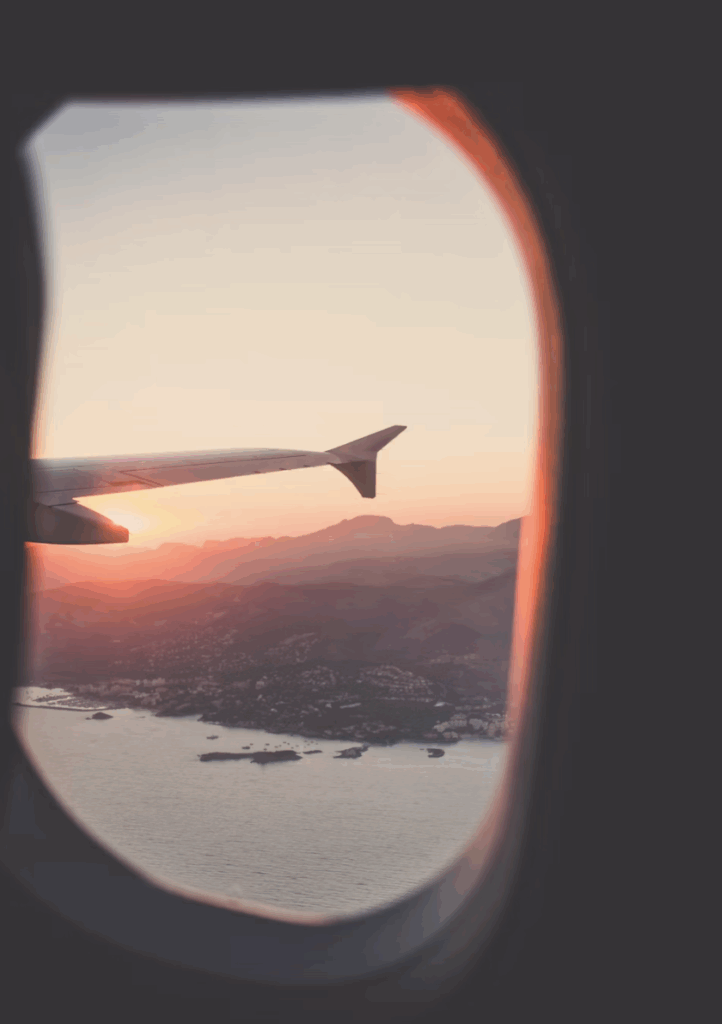
Reimagining Travel, Community, and Experience in a Post-Pandemic Culture
INTRODUCTION
The COVID-19 pandemic brought global mobility to an abrupt halt, reshaping how people traveled, how they sought leisure, and how they navigated public space. Our project investigates how travel behavior changed across three key phases : pre-pandemic, mid-pandemic, and post-reopening. We focused on what those shifts reveal about evolving cultural attitudes toward mobility and leisure.
Using multi-year tourism datasets, including the U.S. Bureau of Economic Analysis Travel and Tourism Satellite Account (TTSA) and the International Travel Statistics released by the National Travel and Tourism Office (NTTO), we trace how economic output, mobility patterns, and international arrivals fluctuated from 2018 through 2023. By comparing trends across industries such as air travel, accommodations, recreation, and sightseeing, our visualizations uncover deeper narratives about comfort, risk perception, and changing leisure priorities.
This website brings together data analysis, cultural interpretation, and digital storytelling to illustrate how travel transformed in the wake of a global crisis. Through interactive charts, maps, and written analysis, we highlight how people adapted, recovered, and redefined what movement and leisure mean in a post-pandemic world.
Research Questions
Question 1
How did shifts in travel data mirror changing cultural attitudes toward leisure and mobility after COVID-19?
Question 2
How did the COVID-19 pandemic impact international traveler flows across countries of different economic, geographic, and political contexts?
Question 3
How did COVID-19 affect the travel behaviors of U.S. and East Asian travelers specifically, and what regional differences emerged in recovery timelines and mobility patterns?